

Running Clean
The coil and vents are clear, so the unit pulls heat from outside air without extra strain. It holds its output on the shoulder months and takes real weight off your furnace. That's the version that actually moves your heating bill.
 Connect with a pro
A local installer who puts in mini splits gets your project.
A mini split heats as well as it cools, and in South Dakota that matters more than the summer side ever will. Most homes here run on gas, so a mini split isn't replacing your furnace. It's taking on the months where a furnace runs longer than it needs to, and the rooms a furnace doesn't reach well.
Whether it lowers your bill depends on what it's heating next to. A mini split moves heat instead of making it, so it uses less power to produce the same warmth as baseboard or resistance heat. Against a gas furnace in a state where power is cheap, the comparison is closer, and which one costs less to run depends on your rates and how the unit is sized for the space.
Sizing is where a lot of this gets decided. A mini split that's too small for the room it's heating runs constantly and never gets ahead of a South Dakota cold snap. One that's too big cycles on and off and wastes the gain you installed it for. Getting that right isn't a guess, it's a calculation based on the room, the windows, and what's already keeping heat in or letting it out.
That's the kind of thing a local installer sorts out by having done it on houses like yours before, not by reading a spec sheet. Someone who installs these across South Dakota winters knows how they actually perform once the temperature drops, not just how they're rated.
When you request a quote here, you're not placed in a queue of installers bidding for your job. You're matched with one licensed contractor local to you, someone who can look at your specific rooms, your existing furnace, and your layout, and tell you where a mini split earns its keep and where it won't. That contractor reaches out to you directly, so the next conversation is about your house, not a sales pitch.
A mini split can lower your heating bill, but how much depends on how you use it against your gas furnace. In South Dakota's coldest stretch, a mini split loses efficiency as the outdoor temperature drops, and most units need backup heat below a certain point. That's the furnace's job. Where a mini split earns its keep is the shoulder months, fall and spring, when it's cold enough to want heat but not cold enough to justify running the furnace all day. During that stretch it can carry the load on its own, and since power here is cheap, running it costs less than you'd expect. The furnace still handles the deep cold. If you're using the mini split that way, as a second system rather than a replacement, you should see your gas use drop over the year. Used alone through a South Dakota winter, it won't.






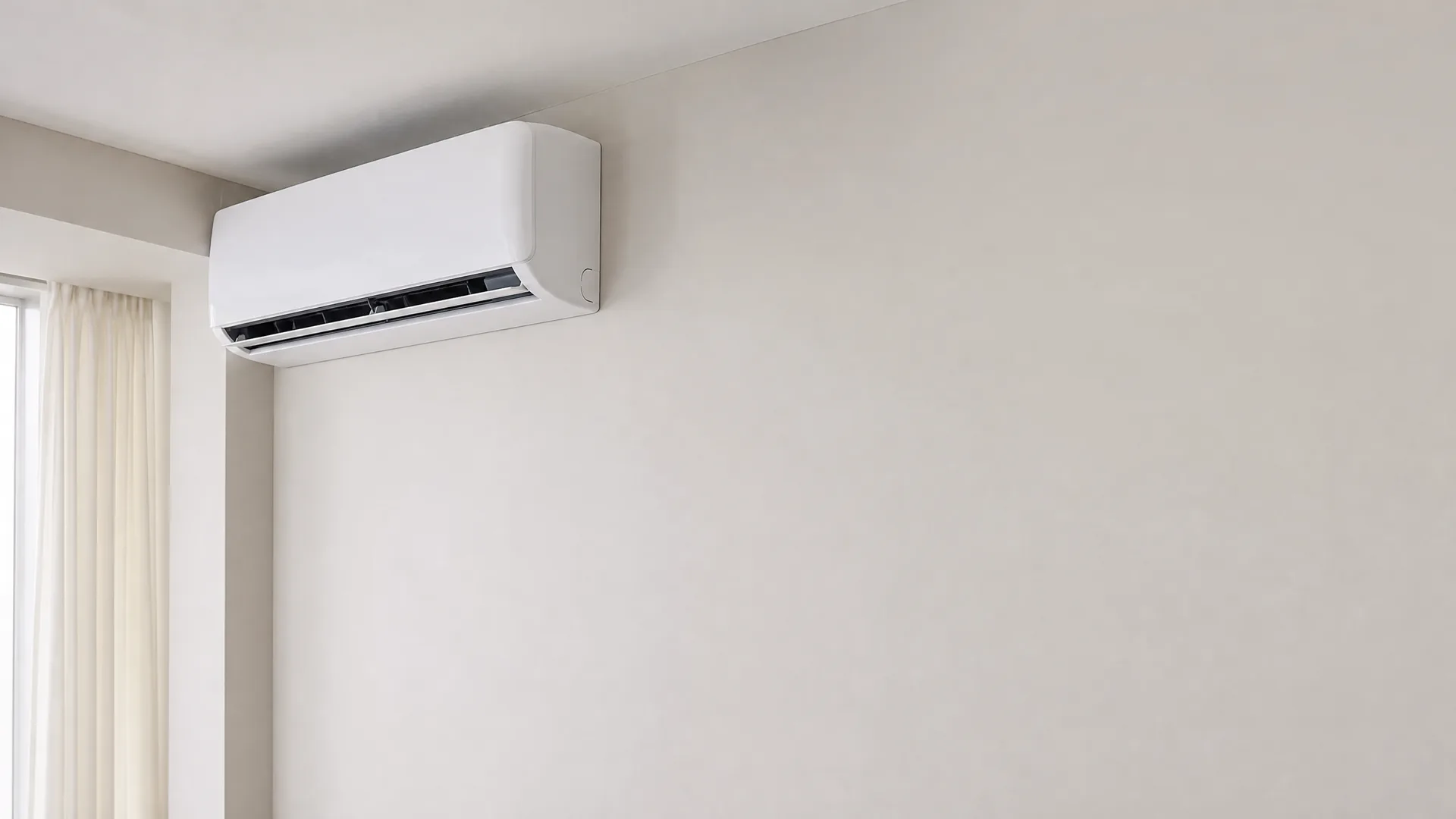
A mini split moves heat from outside air into your home using a refrigerant loop, the same way your refrigerator moves heat out. That loop still finds heat in air down to single digits, just with less of it to work with. The colder the air outside, the harder the compressor runs to extract the same warmth, which is why output drops as temperatures fall even though the unit keeps running.
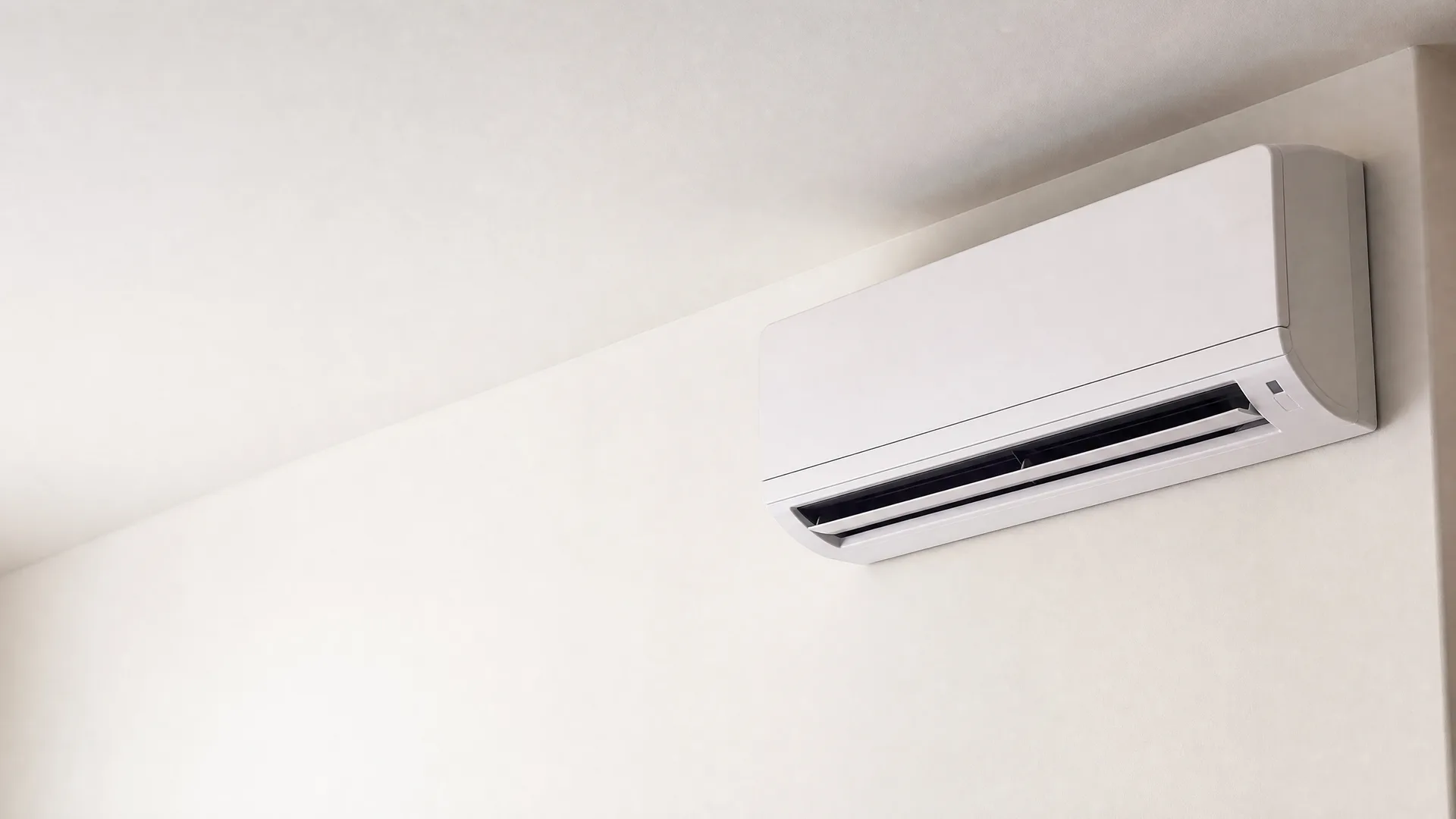
Most mini splits built for cold climates keep working efficiently down to around 5 degrees Fahrenheit, with some holding on lower than that. Below that point, the unit either struggles to keep up or shuts off the heating function, and your furnace needs to take over completely. Where that line falls for your specific unit is worth knowing, since it tells you exactly which nights in South Dakota belong to the furnace.
At 13.32 cents per kilowatt-hour, running your mini split on the shoulder months costs little even on the days it's working hardest. That's part of why pairing it with your gas furnace pencils out: the electric side stays cheap while it's covering the load it's good at.
EIA-861 2025 statewide residential average
In your house, the savings shows up in October and April, not January. Those are the weeks a mini split can carry the whole load while your furnace stays off, and that's where the lower bill actually comes from.
Leave it running through the coldest weeks expecting the same result and you'll see a smaller return, because the unit is pulling less heat from the air while your furnace still has to cover what it can't.


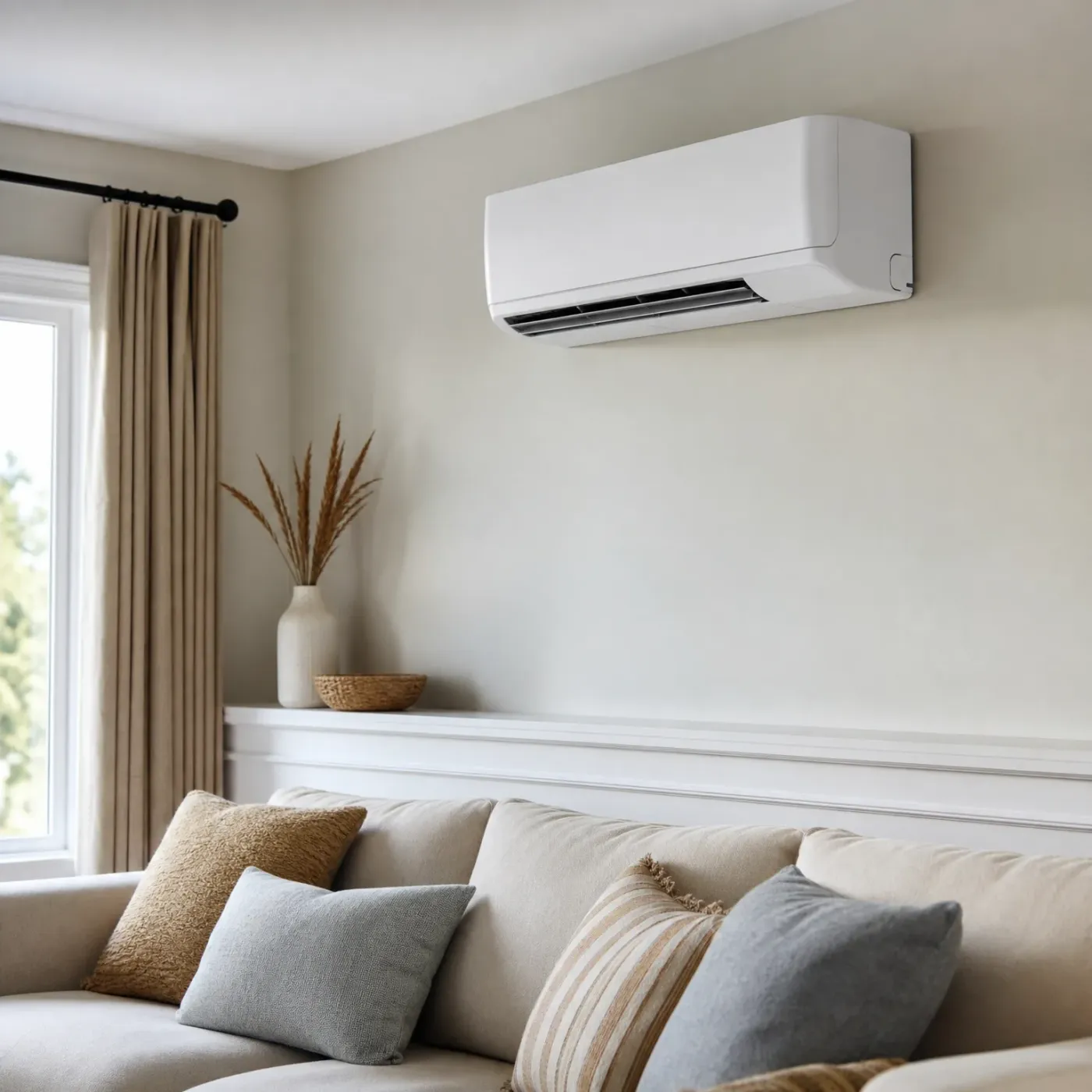
One installer gets your project, so there's no bidding war over it.
Get in touch with a local installer about a new mini split.
You only hire the pro if you want to.
You run the mini split through the fall and it feels like it's doing something, but the gas bill in November looks about like last year's. Check the thermostat schedule on the furnace. If it's still set to kick in at the same temperature as before, it's firing up every time the house drifts a few degrees, even on days the mini split could have handled on its own. A mini split only lowers the bill if it's actually replacing furnace runtime, not just running alongside it. If nobody adjusted the furnace settings when the mini split went in, you're paying for both systems to half-do the job, and the house costs more to heat than either one running alone would.
The thermostat calls for heat and signals the mini split.
The outdoor unit's compressor pulls in cold air.
Refrigerant inside the coil absorbs heat from that air.
The compressor raises the refrigerant's pressure and temperature.



The dew point here averages 56°F across June, July and August, based on weather data for where homes sit in South Dakota. That's dry enough that your mini split isn't fighting heavy, sticky air to cool the place in summer. The compressor isn't working against moisture the way it would further south. It matters more for what that tells you about how the unit is built to handle cold: the same refrigerant loop that cools without strain in a mild summer is the one pulling heat out of winter air. A unit that isn't stressed in July tends to hold up better once you're leaning on it in October and April.
NASA POWER T2MDEW county cells weighted by homes
You've noticed your mini split working hard on the coldest days, blowing air that feels cooler than usual or running almost nonstop without catching up to the thermostat setting. You're wondering if something's wrong with it, or if that's just how it behaves once South Dakota winter really sets in.
A mini split works by pulling heat out of outdoor air, and the colder that air gets, the less heat there is in it to pull. At 20 degrees it's still finding plenty. Down near zero or below, there's far less to work with, so the compressor runs longer and the air coming out feels cooler, even though the unit's working just as hard as it can. That's normal operation, not a fault. Most units lose real capacity somewhere in that range, which is exactly why they're paired with a gas furnace here instead of asked to carry the house alone through January's coldest stretch.
The coil and vents are clear, so the unit pulls heat from outside air without extra strain. It holds its output on the shoulder months and takes real weight off your furnace. That's the version that actually moves your heating bill.

Dust built up on the casing and packed into the louvers means the intake is working harder to pull in the same air. Heat output drops, so the furnace picks up more of the load than it should. Whatever the mini split was saving gets smaller.

Yes, for the months it's built for. A mini split knocks down what your furnace burns in October and April, and does little for you in the deep cold of January. That's the honest shape of the savings. Keep the coil clean and the thermostat schedule set right, and the mini split earns its place next to the furnace instead of just adding another bill.
A unit that's never been serviced, or was installed without sizing it to your house, won't show you that. If yours isn't pulling its weight, or you're putting one in for the first time, you'll want someone who installs these in South Dakota regularly and knows how they need to be set up to actually take load off a gas furnace. Submitting a request connects you with one licensed local contractor suited to your situation, not a handful of companies competing for the job.

Only one pro gets your request, so you hear from one company.