Tell us about the job
Takes about a minute. No obligation.
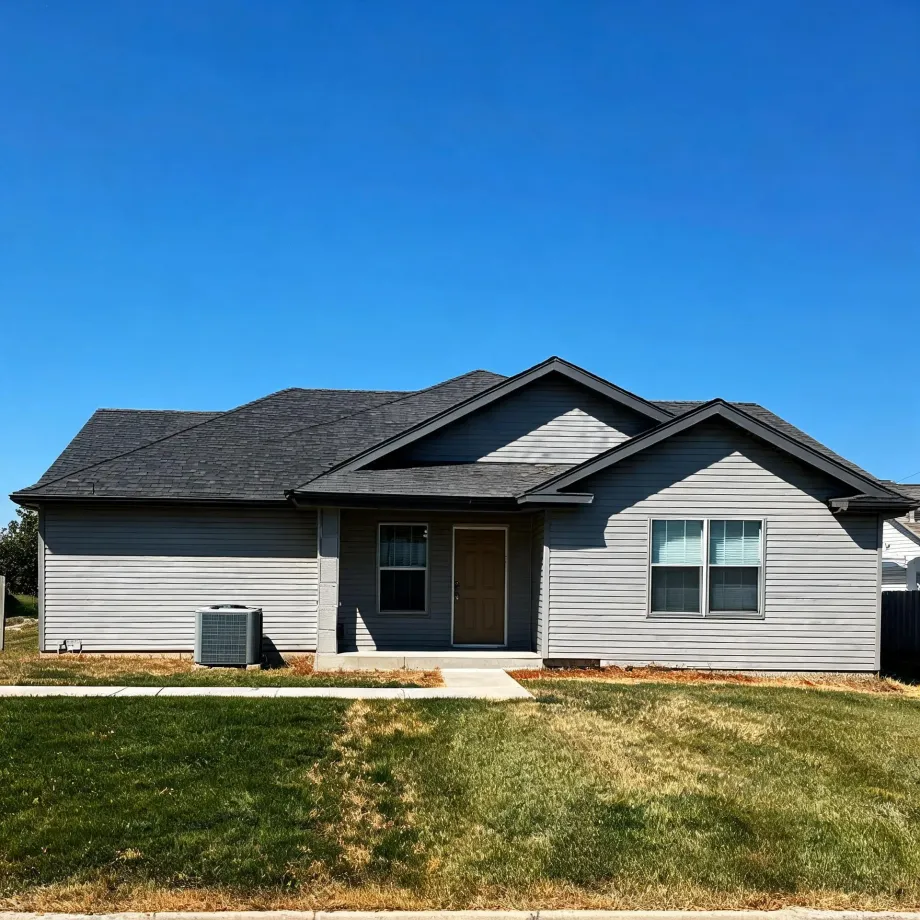
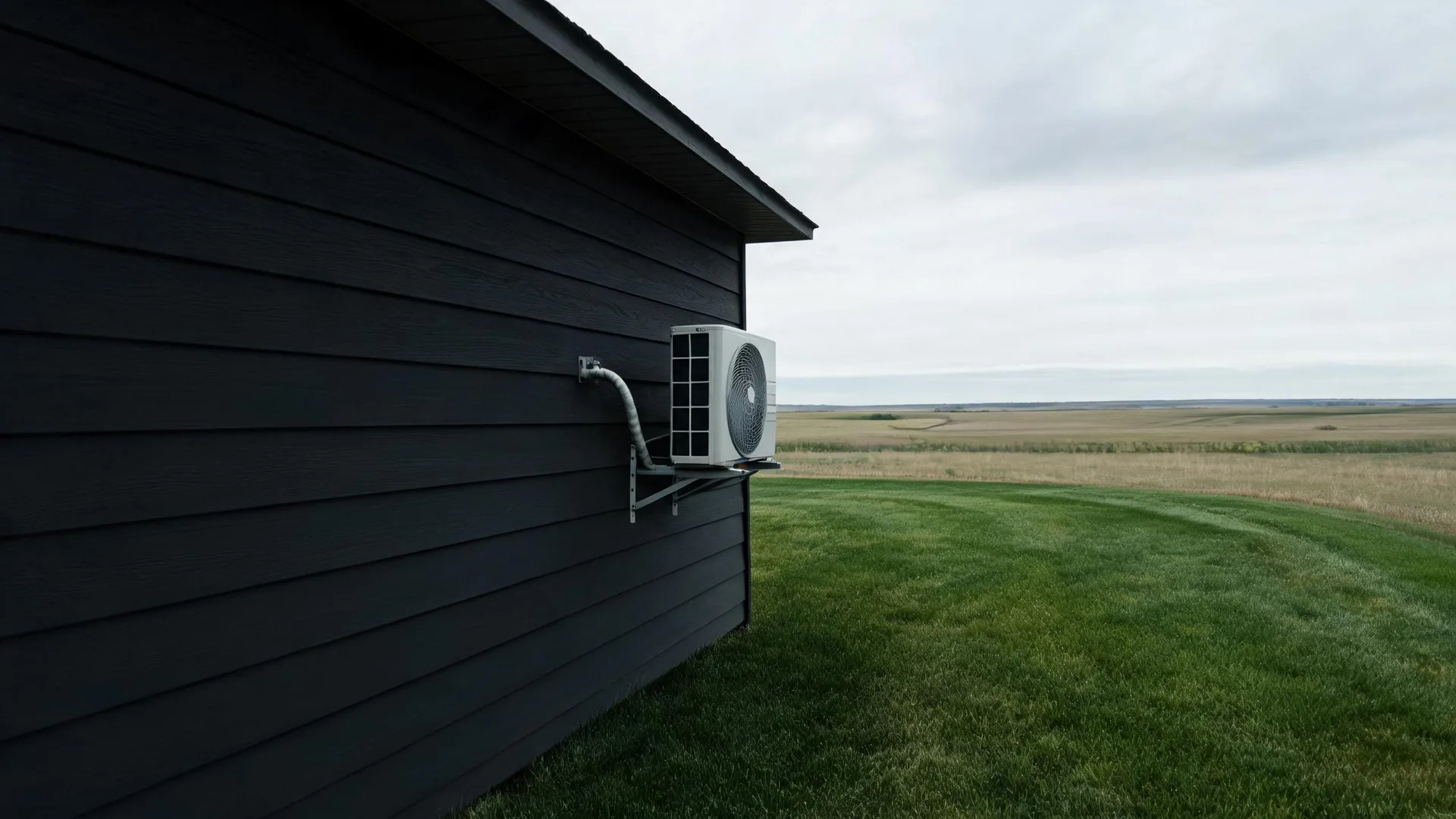
Sizing a mini-split in Day County starts with understanding how little the compressor is actually called on. Homes in Day County, SD run cooling about two months a year, from July through August. The compressor sits dormant through fall, winter, and spring, then starts hard when summer arrives. A unit that was underloaded for the space will run nearly constantly during those weeks, and an installer who skips a proper load calculation leaves no margin for the hottest days of the year. A contractor matching equipment to the house here checks the room volumes, the window exposure, and the insulation before settling on a capacity.
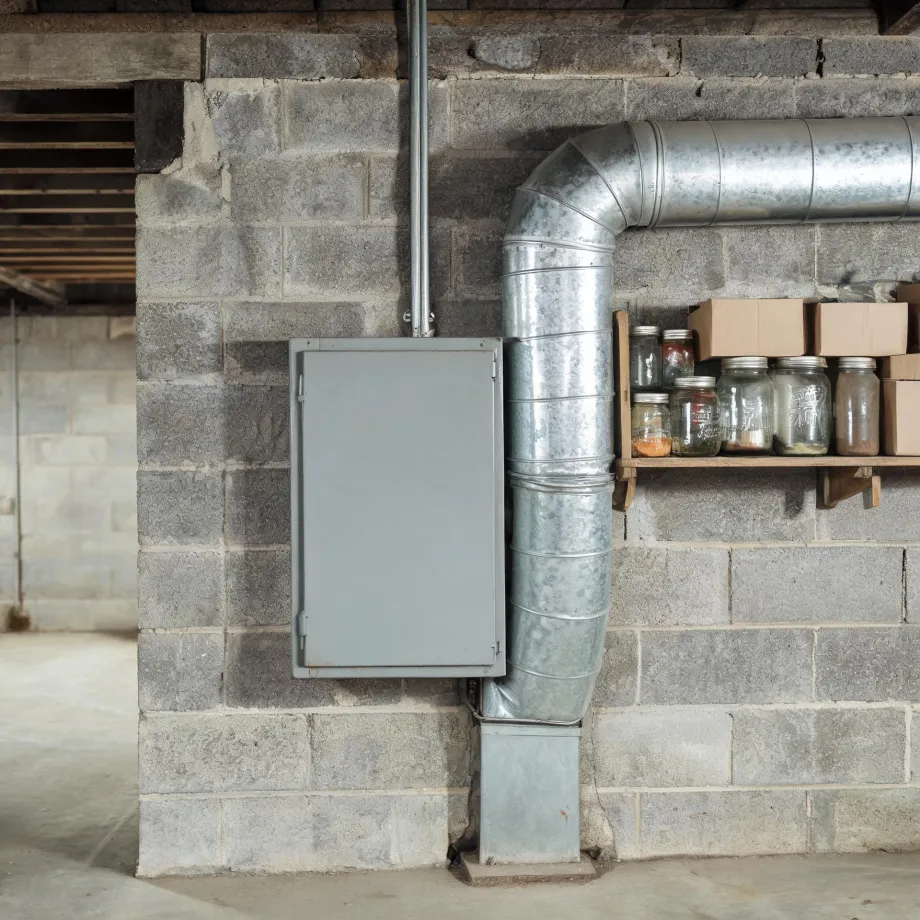
Ductwork and electrical service in a house tell a contractor what a mini-split installation will actually require before any equipment is ordered. Half the homes in Day County, South Dakota were built in 1967 or earlier (2020-2024 ACS 5-year). Wiring put in for the loads of that era was not sized with today's units in mind, and a panel that has been patched or partially upgraded can still fall short of what a new system draws. The electrical assessment shapes the quote as much as the equipment selection does.
The Mini-split Components Involved in an HVAC Installation
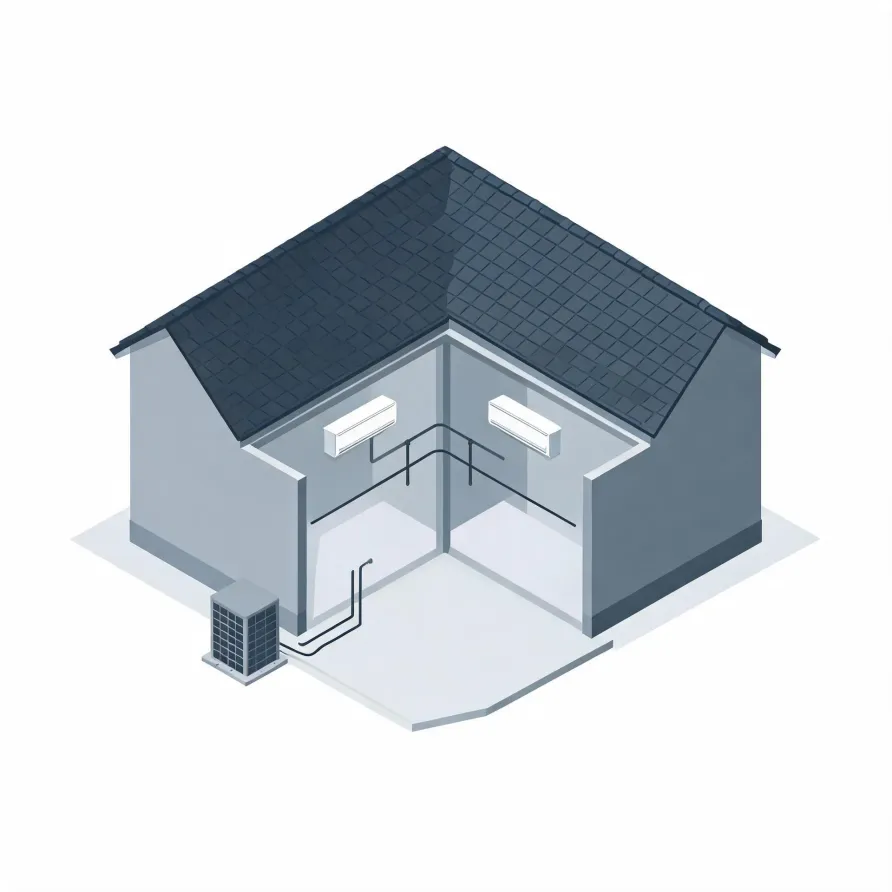
The indoor air handler is the piece a homeowner sees every day. It mounts high on an interior wall and delivers conditioned air directly into the room. Outside the house, the outdoor condenser unit sits on a pad or bracket and houses the compressor, which does the heavy mechanical work of the system.
A refrigerant line set runs through a small penetration in the wall to connect the two units, carrying refrigerant between them. A condensate drain line also exits the indoor unit, moving moisture out of the house. Together these connections are what a contractor routes and secures during the installation.
The drawing beside this text shows a typical layout, and a licensed contractor determines exactly how each component is positioned and connected in your home.
Find a contractor in Day CountyDay County, South Dakota, by the numbers
198 severe weather events were recorded in Day County, South Dakota between 2015 and 2024.
NOAA National Centers for Environmental Information, Storm Events Database, bulk CSV export, events 2015-01-01 through 2024-12-31.Half the homes in Day County, South Dakota were built in 1967 or earlier (2020-2024 ACS 5-year).
U.S. Census Bureau, 2020-2024 American Community Survey 5-Year EstimatesDay County, South Dakota holds 3,440 housing units (2020-2024 ACS 5-year).
U.S. Census Bureau, 2020-2024 American Community Survey 5-Year EstimatesOwners occupy 74.6% of the occupied homes in Day County, South Dakota (2020-2024 ACS 5-year).
U.S. Census Bureau, 2020-2024 American Community Survey 5-Year EstimatesSevere Weather Events in Day County
Weather in Day County puts real demands on heating and cooling equipment, and those demands shape what a system needs to handle over its working life. A mini-split sized and installed for local conditions holds up better than one spec'd without them.
198 severe weather events, 2015–2024. Source: NOAA National Centers for Environmental Information, Storm Events Database.