Tell us about the job
Takes about a minute. No obligation.
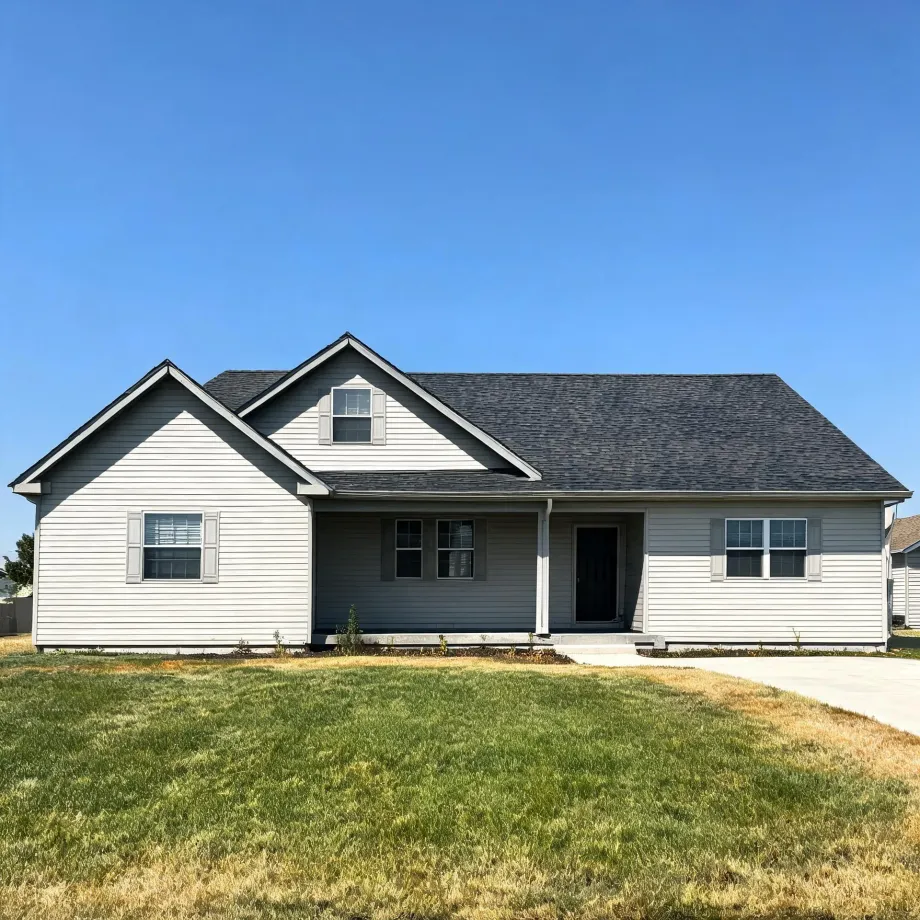
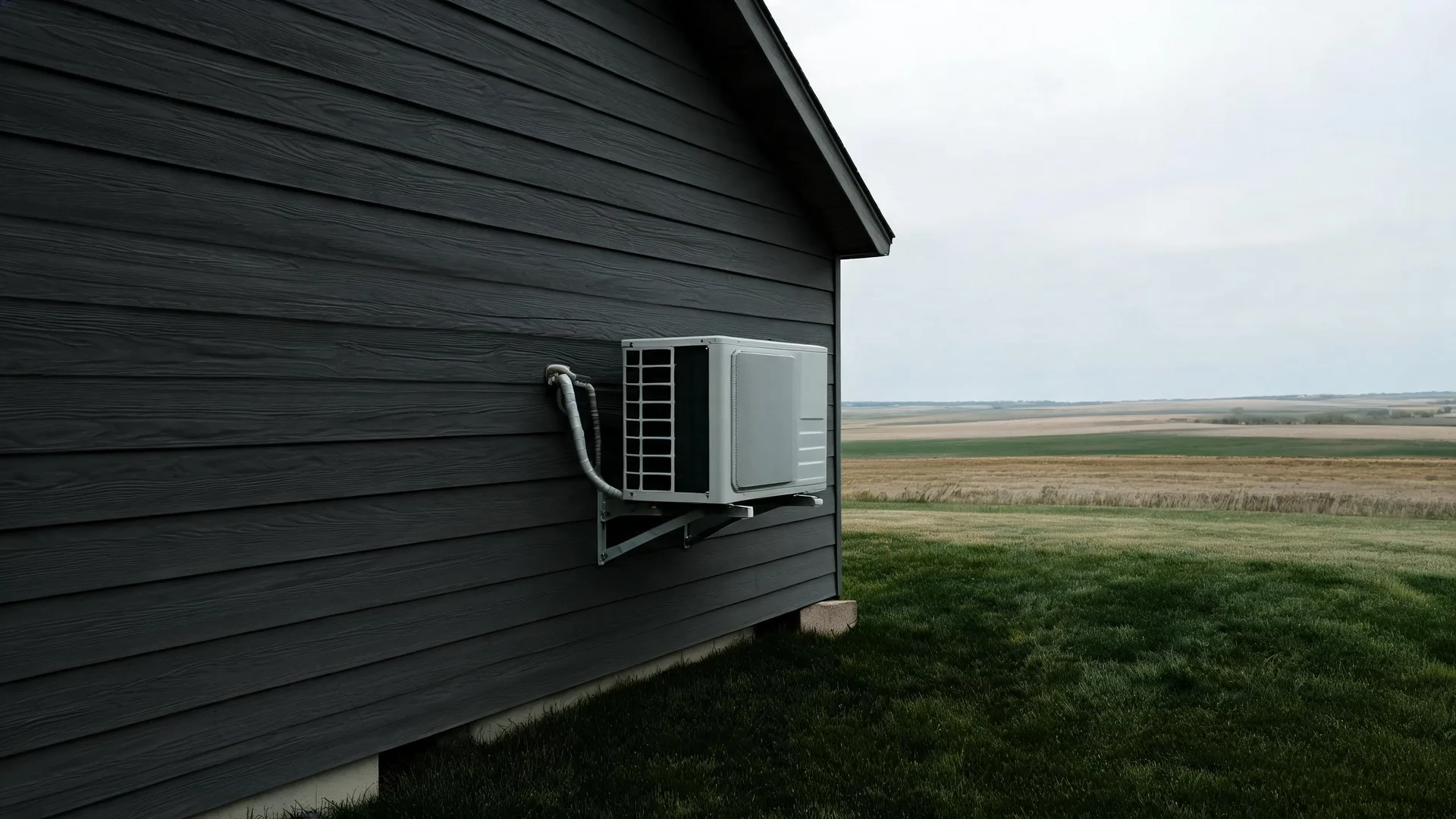
Sizing a mini-split for a Yankton County home starts with what the compressor is genuinely asked to carry. Homes in Yankton County, SD run cooling about three months a year, from June through August. The compressor sits idle most of the calendar year, and long idle periods let refrigerant leaks, contactor wear, and coil corrosion go undetected until demand returns. A contractor quoting an install here has to account for that: a system sized tight to a short peak load leaves nothing in reserve for the first call on a warm June morning when every other unit in the county wakes up at the same time.
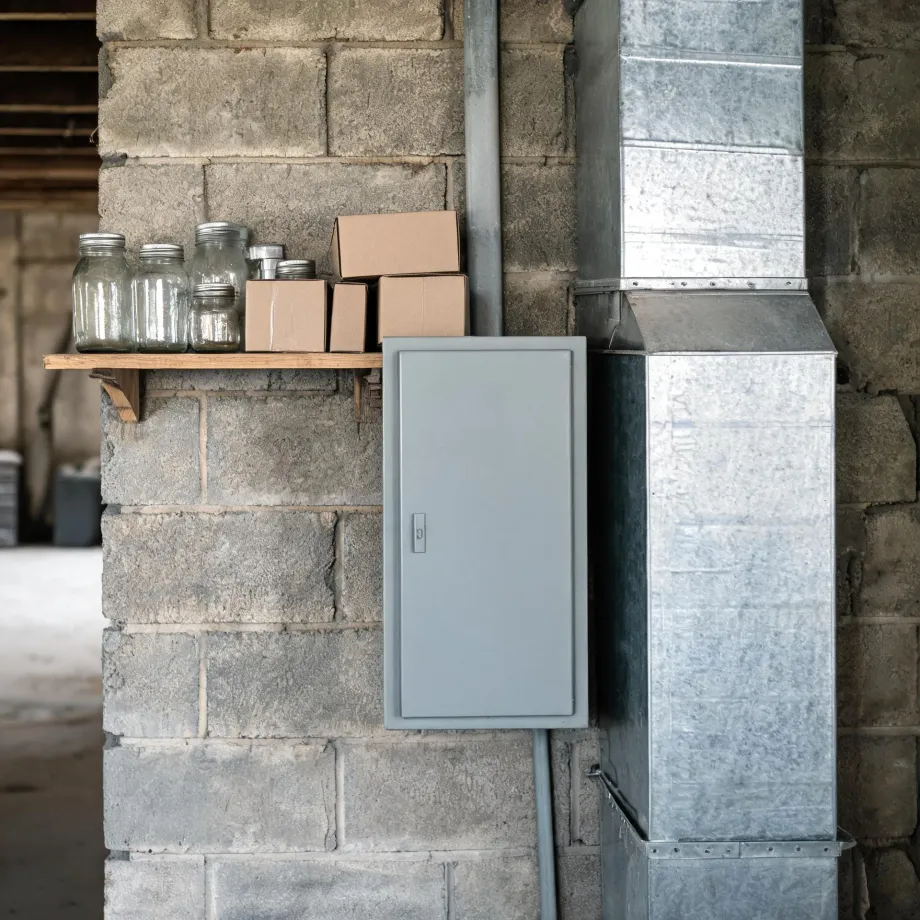
Older electrical panels are where mini-split installations in Yankton County often meet their first real question. Half the homes in Yankton County, South Dakota were built in 1977 or earlier (2020-2024 ACS 5-year). Service panels from that era were sized for the loads of that era, and a mini-split draws differently than what those circuits were originally planned around. A contractor will pull the panel cover and work out whether the existing service can carry the new unit before any equipment gets ordered.
The Parts of a Mini-split System Being Installed
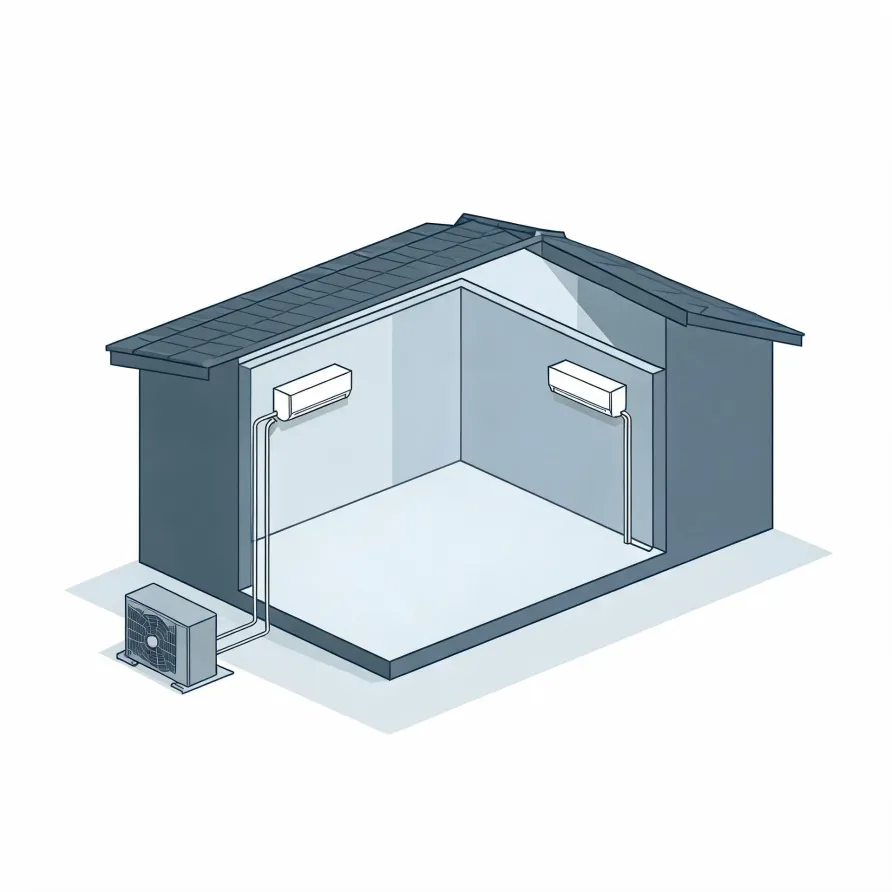
The indoor air handler mounts high on a wall inside the room and delivers conditioned air directly into that space. The outdoor unit sits on the ground or on a bracket outside the house and houses the compressor and condenser coil. These two units are the core of what a contractor places and connects during an installation.
A refrigerant line set runs through a small opening in the wall to link the indoor and outdoor units, and a condensate drain line carries moisture from the indoor handler to the outside. A dedicated electrical circuit feeds the outdoor unit, and a control wire runs alongside the line set to carry signals between the two sides.
The drawing shows a typical layout, and a licensed contractor determines exactly how each piece fits the conditions of your home.
Find a contractor in Yankton CountyYankton County by the Numbers
140 severe weather events were recorded in Yankton County, South Dakota between 2015 and 2024.
NOAA National Centers for Environmental Information, Storm Events Database, bulk CSV export, events 2015-01-01 through 2024-12-31.Half the homes in Yankton County, South Dakota were built in 1977 or earlier (2020-2024 ACS 5-year).
U.S. Census Bureau, 2020-2024 American Community Survey 5-Year EstimatesYankton County, South Dakota holds 10,616 housing units (2020-2024 ACS 5-year).
U.S. Census Bureau, 2020-2024 American Community Survey 5-Year EstimatesOwners occupy 72.7% of the occupied homes in Yankton County, South Dakota (2020-2024 ACS 5-year).
U.S. Census Bureau, 2020-2024 American Community Survey 5-Year EstimatesSevere Weather Events in Yankton County
Yankton County weather puts real demands on heating and cooling equipment, and those demands shape what a mini-split installation here needs to handle. Sizing and selecting equipment without accounting for local conditions is how systems end up working harder than they should.
140 severe weather events, 2015–2024. Source: NOAA National Centers for Environmental Information, Storm Events Database.