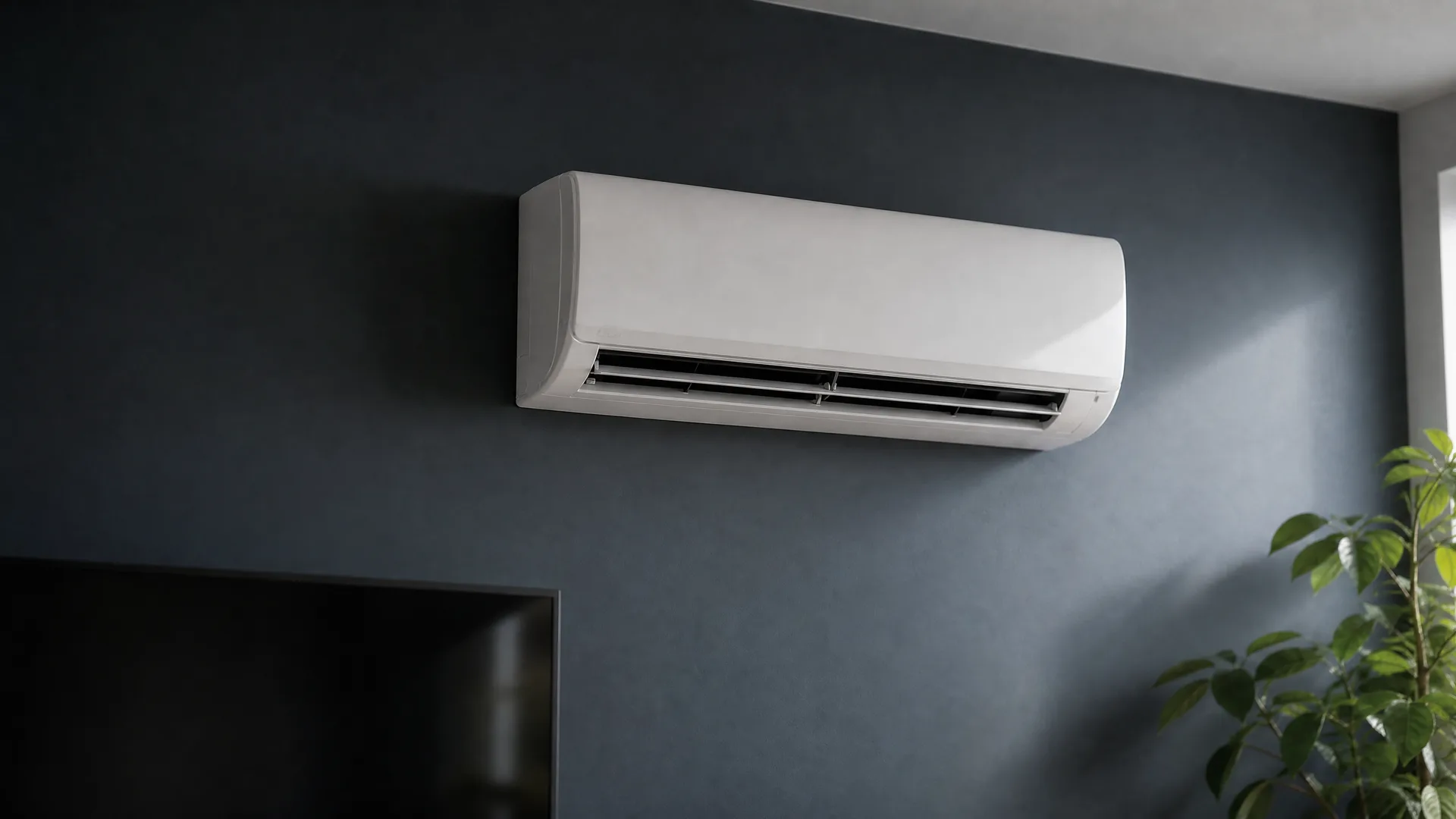
A mini split can run all winter in South Dakota, but most homes here lean on gas heat once temperatures drop into the single digits or below zero, and that's the right call. Heat pumps lose efficiency as the outdoor air gets colder, and below a certain point the unit works harder for less heat while a gas furnace keeps putting out the same warmth no matter how cold it gets outside. Below freezing, the outdoor unit also has to run defrost cycles to clear frost off its coil, which pulls from the heat it's producing. Running the mini split on milder days and letting gas carry the coldest stretches is how most of these systems are actually used here. The equipment can handle all winter if you want it to. It just won't be the better choice on your coldest days.
How a mini split makes heat
A mini split pulls heat from outdoor air by cycling refrigerant through a compressor, the same process in reverse of how it cools.
Below freezing the outdoor coil can frost over, so the unit runs a defrost cycle that briefly blows cold air before switching back to heat.
Most units carry an auxiliary heat strip or rely on a paired gas furnace to take over once the compressor can't keep up with the cold.
The outdoor unit has a base pan heater or a drain path built to keep meltwater from refreezing into ice at the bottom.
A clogged outdoor coil or low refrigerant charge shows up fastest in winter, when the system is already working at its limit.
Many homeowners here set the mini split as the main source down to the 30s or 40s, then let the gas furnace take over below that.
A mini split doesn't make heat the way a furnace does. It moves heat that's already in the outdoor air into your house, running refrigerant through a compressor and an outdoor coil, then a matching indoor coil that releases that heat into the room. Cooling in July is the same process, just pointed the other way. That works fine down into the 30s and 40s. Once the outdoor air gets colder, there's less heat out there to grab, so the system has to run longer and harder to pull the same amount in. Below freezing, moisture in the outdoor air starts frosting the coil, and the unit has to pause and run a defrost cycle to clear it, which is why you might feel a short burst of cool air from the indoor head in the middle of winter. That's normal. It's not malfunctioning, it's clearing ice. Where the cold really tests the system is at the outdoor unit itself. Meltwater from defrosting has to drain somewhere, and a base pan heater or a built-in drain path is what keeps that water from refreezing into a block of ice under the unit. If the outdoor coil is dirty or the refrigerant charge has dropped, winter is when you'll notice, because the system has no slack left to cover for it. That's also why most homes here don't ask the mini split to do all the work alone once temperatures drop hard.
Run it right and the coil stays clean, the airflow stays strong, and it keeps pulling its share of the heat load down into the 20s.
Skip maintenance and the coil fouls, the filter clogs, and the unit struggles long before the cold does it in.
Skip service long enough and the signs show up room by room before they show up as a breakdown. The bedroom farthest from the head goes cold first, because a clogged filter is starving that side of the airflow it needs. The unit itself starts working harder to hit the same temperature, and a harder-working compressor pulls more power, which lands on your bill whether or not you notice the room getting colder. Outside, frost that doesn't clear properly builds up around the coil housing instead of melting off in the defrost cycle, and that ice sits there putting load on the compressor night after night. None of this happens in one cold snap. It happens over a few winters of running dirty, each one asking a little more of a part that was never built to carry that load. By the time the compressor actually fails, it's the most expensive part in the system to replace. A unit serviced before the cold sets in just doesn't carry that risk through the nights near zero.
What a Neglected Unit Costs You
A dirty filter or a frosted coil makes the unit lean harder on strip heat or your gas furnace to pick up the slack.
A unit struggling in the cold draws more power to do the same job, and that shows up on your bill even with cheap rates.
If the outdoor coil can't shed frost properly, ice builds up around the housing and stresses the compressor over a long winter.
A clogged filter cuts airflow across the indoor coil, so rooms farther from the head feel the difference first.
Left unchecked over a few winters, a struggling compressor is the part most likely to fail and the most expensive to replace.
A unit that's been serviced before the cold sets in holds its output better through the nights near zero or below.
Before you get your mini split maintenanceAfter you get your mini split maintenance
A licensed local pro takes the request for your mini split tune-up.
No charge to send it. You decide if you hire them.
How cold it has to get
A mini split's heat pump mode keeps working well into the 20s and can still pull heat out of the air down near zero, but the colder it gets outside the harder the compressor has to work to get the same heat out. Capacity drops as the temperature drops. By the time it's below zero, most of South Dakota's heating load is coming from the furnace anyway, with the mini split filling in during the shoulder months when it isn't that cold. That's not a flaw in the equipment. It's just how heat pumps work in any climate that gets this cold.
Why the defrost cycle matters
Every time the outdoor coil frosts up, the unit has to stop heating and run a defrost cycle to melt the ice off, which briefly sends cool air into the room before it switches back. A clean coil frosts less often and clears faster. A coil caked with dust or grime from a season of use holds the frost longer and triggers defrost more, which means more interruptions and more strain on the compressor over a winter. A tech who services these units all season knows which outdoor coils are prone to this and checks that first.
Run it as backup for your furnace on the shoulder months and it earns its keep without much drama, since South Dakota power is cheap and the load is light in October or April.
Lean on it as your main heat through January and you're asking a lot of one compressor on the coldest nights, and most homes here still let the gas furnace take over once it drops into the single digits.
Power costs 13.32 cents per kilowatt-hour statewide
At 13.32 cents per kilowatt-hour, running the mini split on cold nights doesn't hit your bill that hard. But a unit working harder than it should to make up for a dirty filter or frosted coil still pulls more power to do the same job, so you pay for strain that regular maintenance would prevent.
EIA-861 2025 statewide residential average
Clean and clear
This is what a mini split should look like through the winter. The coil stays clear, the filter stays open, and the air coming off the wall unit stays strong. A tech who services these year-round can tell you in five minutes if yours is in this shape.
Dirty and open
Dust built up on the casing and a clogged filter mean the unit is pulling less air than it needs to. Left like this through a cold stretch, it leans harder on your furnace or strip heat to cover the gap, and you're paying for a unit that isn't doing its job.
Why does my mini split blow cold air for a minute in winter
You're sitting near the wall unit on a cold night and it kicks on with a blast of cold air before it ever warms up. It only lasts a minute or two, but it happens more than once an evening when it's really cold out, and it's enough to make you wonder if the unit is struggling or something's wrong with it.
That's the defrost cycle, and it's normal
Below freezing, frost builds up on the outdoor coil the same way it builds up on a windshield. The unit has to stop and melt it off or it can't pull heat from the air anymore. During that cycle it runs the compressor in reverse for a few minutes, which sends cold refrigerant through the indoor coil too, so the fan blows cold air into the room until it switches back. The colder it gets outside, the more often this happens. If it's happening every few minutes instead of every hour or so, or the blast of cold air is lasting longer than a couple minutes, that's worth having a tech look at. It usually means the coil isn't defrosting fully, often from low refrigerant or a fouled coil underneath the frost.
1
Indoor thermostat calls for heat and signals the outdoor unit
2
Compressor starts and pressurizes refrigerant to draw heat from outside air
3
Outdoor coil pulls heat from the air even in cold temperatures
4
Refrigerant carries that heat to the indoor coil and releases it
Why does my wall unit seem to work so hard some nights
You notice it most on the colder nights. The outdoor unit runs longer than it used to, the air coming off the indoor head feels cooler than it should, and the room takes a while to catch up to the thermostat. Sometimes you hear the defrost cycle kick in more than once in an evening. None of that means the unit is done for the season, but it's worth a look before you lean on it through January. A coil that's caked with ice longer than it should be, or a filter that hasn't been cleaned, means the compressor is working harder for less heat, and your furnace or strip heat picks up whatever it can't deliver.
Summer here isn't the problem, at least not for your mini split's compressor. NOAA puts the average summer dew point for South Dakota at 56°F, which is dry as these things go. Your unit isn't fighting heavy, wet air to pull moisture out of every room, so it doesn't run as long or as hard as it would somewhere sticky. That's good for the coil and good for the compressor. But easy summers don't make up for a hard winter, and a mini split that sat lightly used all August still needs its coil and filter checked before it's asked to pull heat out of January air.
NASA POWER T2MDEW county cells weighted by homes
So yes, it can run all winter, with upkeep behind it
A mini split can carry you through a South Dakota winter, down into the 20s and beyond, as long as the coil is clean and the filter is clear. Below zero, let your furnace take the load. That's not a failure of the equipment, it's just how heat pumps work in real cold, and most homes here already have the gas furnace to lean on.
Finding someone who actually knows these units isn't always simple. You'd normally be calling around, explaining the same thing to three different shops, then sitting with quotes trying to guess which one actually knows mini splits versus whoever answered the phone fastest. Get matched here and it's one licensed local contractor, someone who's in these systems all season and knows what tends to go wrong in a South Dakota winter, so you're not fielding five calls trying to sort out who's worth hiring.