

What defrost mode means on a South Dakota mini split
Send the request today and stop worrying about who to call.
Send it todayWhy does my mini split show defrost mode in the winter?
South Dakota winters get cold enough that ice builds up fast on the outdoor unit of a mini split. When the screen switches to defrost, the indoor head stops blowing warm air and the fan outside may slow or stop, which makes it look like something has quit working right when you need the heat most.
It's clearing ice off the outdoor coil so the system can keep heating
In defrost mode, your mini split reverses itself for a few minutes, sending warm refrigerant to the outdoor coil to melt the frost that's built up on it. That frost forms because the coil runs colder than the air around it, and in a South Dakota winter there's usually enough moisture in the air for ice to collect fast. While it's defrosting, the indoor unit won't blow warm air, and you might hear the outdoor fan slow down or stop. That's normal and it should pass in a few minutes. If defrost cycles are running often, lasting a long time, or the unit isn't catching back up to heating afterward, something is keeping the coil from clearing properly, and that's worth having looked at.
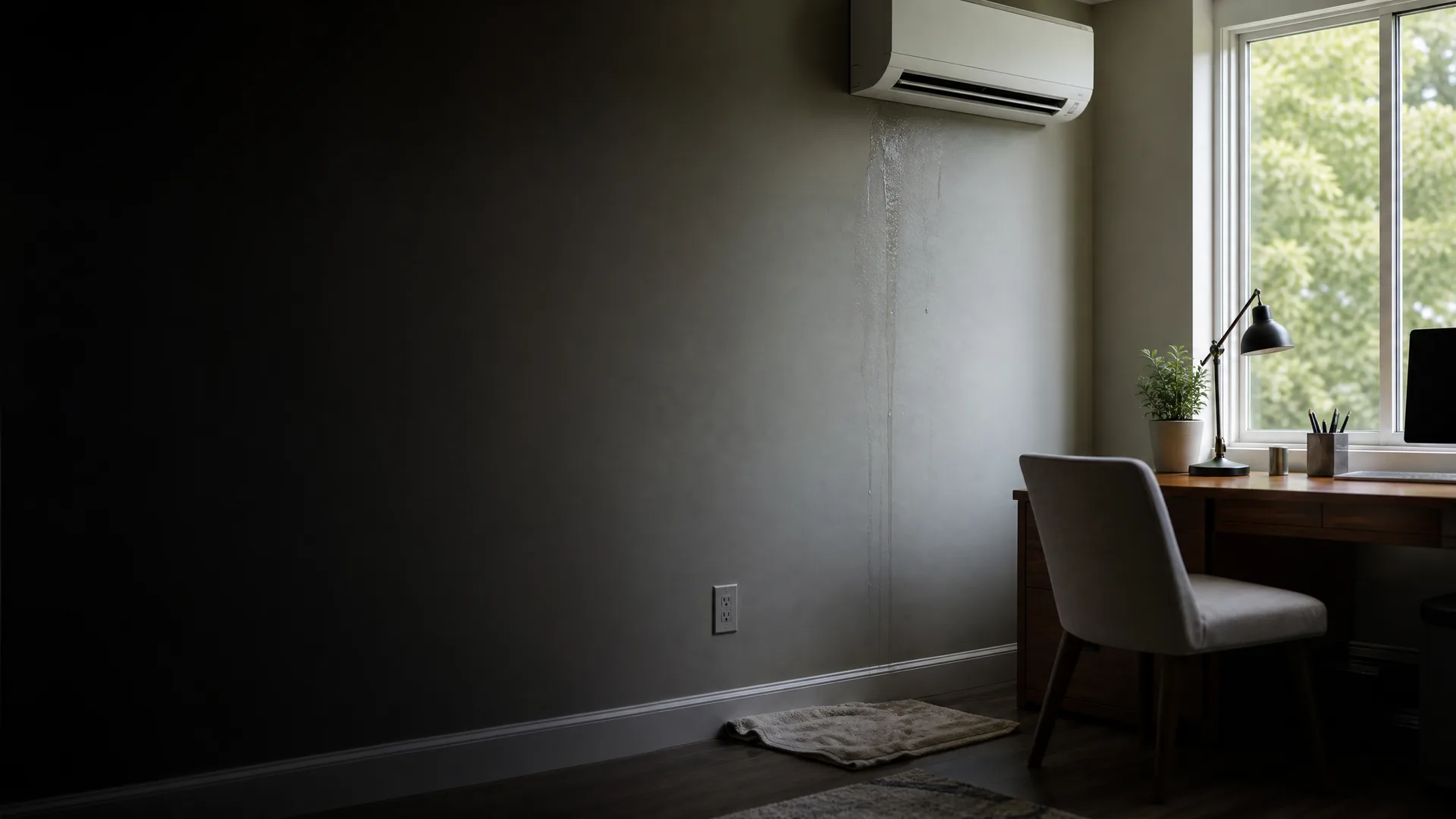
You're at the desk in the home office, working through the afternoon while the mini split hums overhead. It's one of those dry South Dakota summer days, not muggy, just warm, and the unit's been running steady since morning. You glance up and see it: a dark streak down the wall below the indoor head, already reaching the baseboard. By the time you get a towel down, a small puddle has formed on the floor. The unit's still blowing cold air like nothing's wrong. You stand there a second, towel in hand, wondering how long it's been dripping before you noticed.
Is the defrost cycle running longer than it used to?
You'll notice it in how long the room takes to warm back up. A normal defrost cycle runs a few minutes, then the unit goes back to heating. If it's stretching past ten minutes, or kicking on every half hour instead of every couple hours, something's keeping the coil from clearing. You might hear the outdoor fan cycling on and off more than usual, or notice frost that looks thicker than a light coating, maybe even reaching the pipes. Left alone, a coil that can't shed ice properly forces the system to work harder for less heat, and in a Dakota winter that means the house falls behind on warmth right when you need it most, and the unit wears down faster doing it.
How the outdoor coil ices up
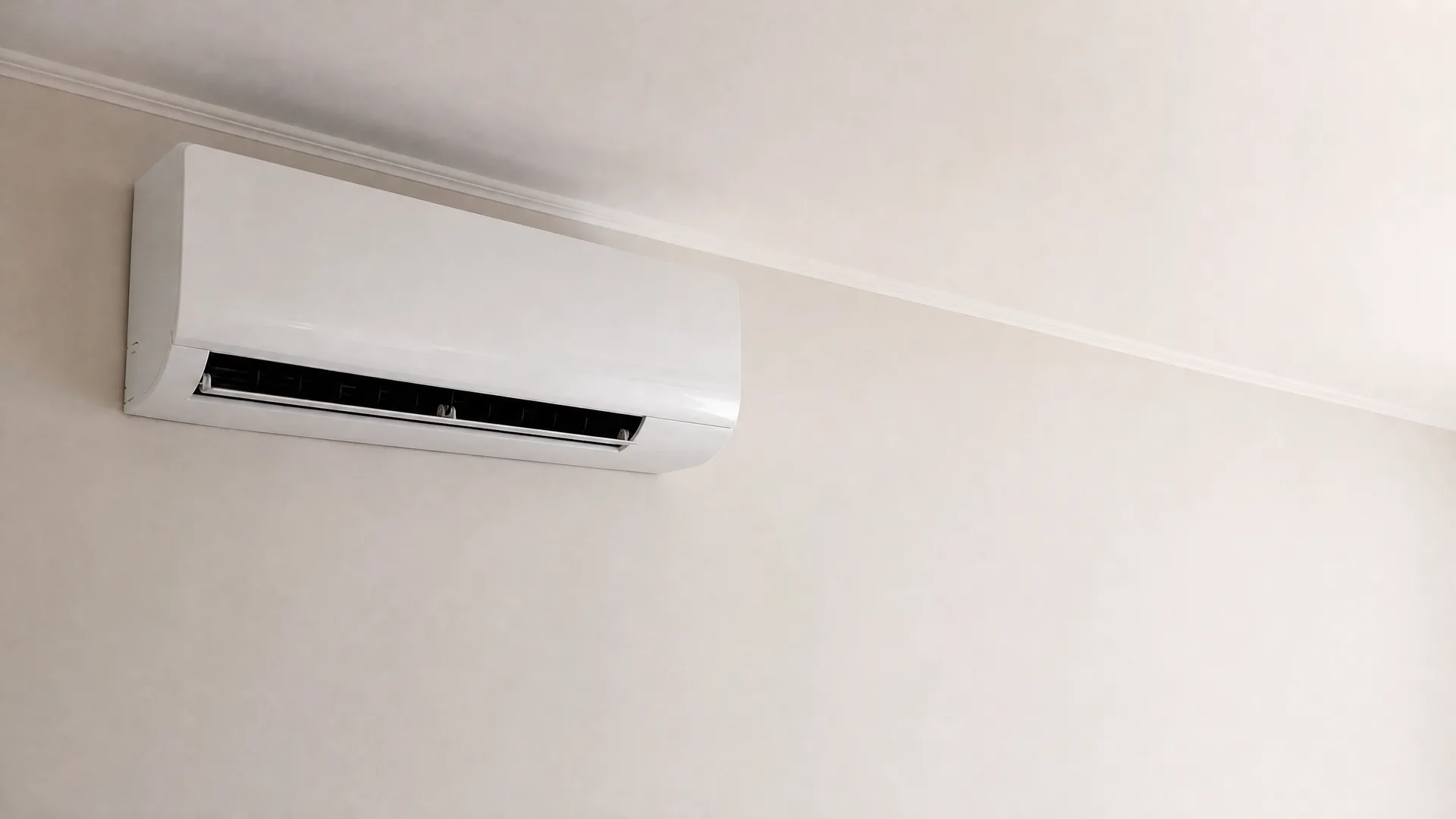
Cold air holds less moisture than warm air, but it still carries some, and that moisture lands on the outdoor coil as frost once the coil surface drops below freezing. A mini split runs its outdoor fan right through this, pulling air across a coil that's getting colder by the minute in a South Dakota January. Frost builds in thin layers first, then thickens if the system can't clear it, which is exactly what defrost mode is there to stop.
Why the fan outside slows down
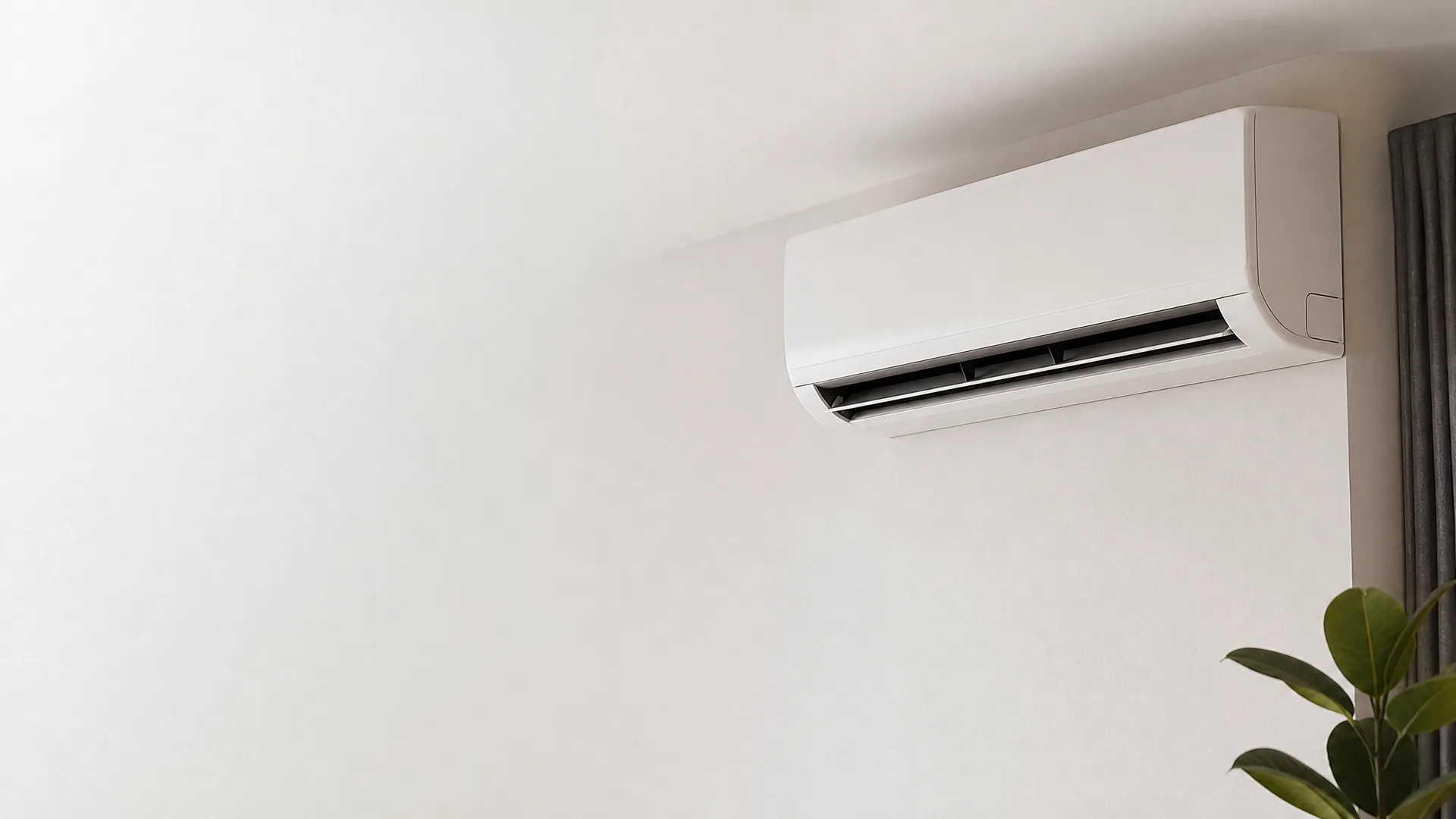
During defrost, the system reverses itself briefly to send warm refrigerant through the outdoor coil instead of the indoor one. That's why the outdoor fan slows or stops and the indoor head quits blowing warm air for those few minutes. It's not a malfunction by itself. The refrigerant is doing the opposite of its normal job for a short stretch, melting the frost off the coil so the unit can go back to pulling heat from the outside air once it's clear.
Power costs 13.32 cents per kilowatt-hour statewide
At 13.32 cents per kilowatt-hour, running the outdoor fan through a defrost cycle costs little. The expensive part is a unit that defrosts too often or too long, since the compressor and fan keep working while it struggles to melt ice it shouldn't have. A tech who knows what's causing that is worth more than the power bill itself.
EIA-861 2025 statewide residential average




Hand off the mini split problem
A mini split stuck in defrost too often usually means something specific is wrong, not just that it's cold out. A sensor reading the coil temperature wrong, a reversing valve that's slow to switch back, a fan motor losing speed, low refrigerant charge making the coil run colder than it should. Any of these can turn a normal cycle into one that runs long or runs often, and from the thermostat you can't tell which one it is. Someone who services these units through a South Dakota winter sees this pattern on a regular basis and knows where to check first. That's different from a tech working from a truck stocked for furnaces who sees a mini split twice a year. Send the request once and it goes to one local contractor who works on this equipment all winter, not a handful of companies competing for the job. You get back to the thing you were actually doing, waiting on a room that's slow to warm, instead of sorting through who to call.
Normal defrost or a unit in trouble
A mini split that defrosts a few times a day in a South Dakota cold snap, runs its cycle for a few minutes, then goes back to blowing warm air, is doing exactly what it's built to do. The ice forms, the system clears it, the room keeps warming. You might not even notice it happening unless you're watching the outdoor unit when it kicks in. This is the ordinary case, and it doesn't call for anyone to come look at anything.
When it stops being normal
A unit defrosting every hour, running the cycle past ten minutes, or coming back on blowing cool air before it warms up again, is working through a problem that won't fix itself. It might be a sensor giving the control board bad information, or a reversing valve that's sticking, or refrigerant that's low. Left alone, it tends to run longer and more often, not less. A contractor who services mini splits through South Dakota winters can tell which of these it is fairly quickly, since the pattern of when and how often it defrosts usually points at the cause.


Defrost mode itself is nothing to worry about. It's how a mini split clears ice off the outdoor coil so it can keep heating through a South Dakota winter. What matters is whether it's happening the way it's supposed to, a few short cycles on a cold day, warm air resuming after, or whether it's turned into the unit's main state while your house stays cold. If you've watched the pattern and it doesn't match what a normal cycle looks like, that's a sign for a contractor to check, not something to wait out. A tech who works on mini splits all year in this climate has usually seen the exact failure behind a stuck defrost cycle before, whether it's a sensor, a slow reversing valve, or a charge that's low. Send in your request and you'll be matched with one licensed local contractor for your area, not a handful of companies calling at once. From there, the diagnosis and the fix are in their hands.

Mini Split Repair
Hand off the search today

- Tell a local repair pro what your mini split is doing.
- A local pro who knows mini splits gets your details and gets in touch.

- Send it once and finding someone is no longer on you.
- Once you send the form, finding a pro is off your list.

- Describe what your mini split is doing once, in one form.
- Answer a few questions instead of calling shop after shop.

- Only one pro gets your request, so you hear from one company.
- Your request stays with one local pro.