Tell us about the job
Takes about a minute. No obligation.
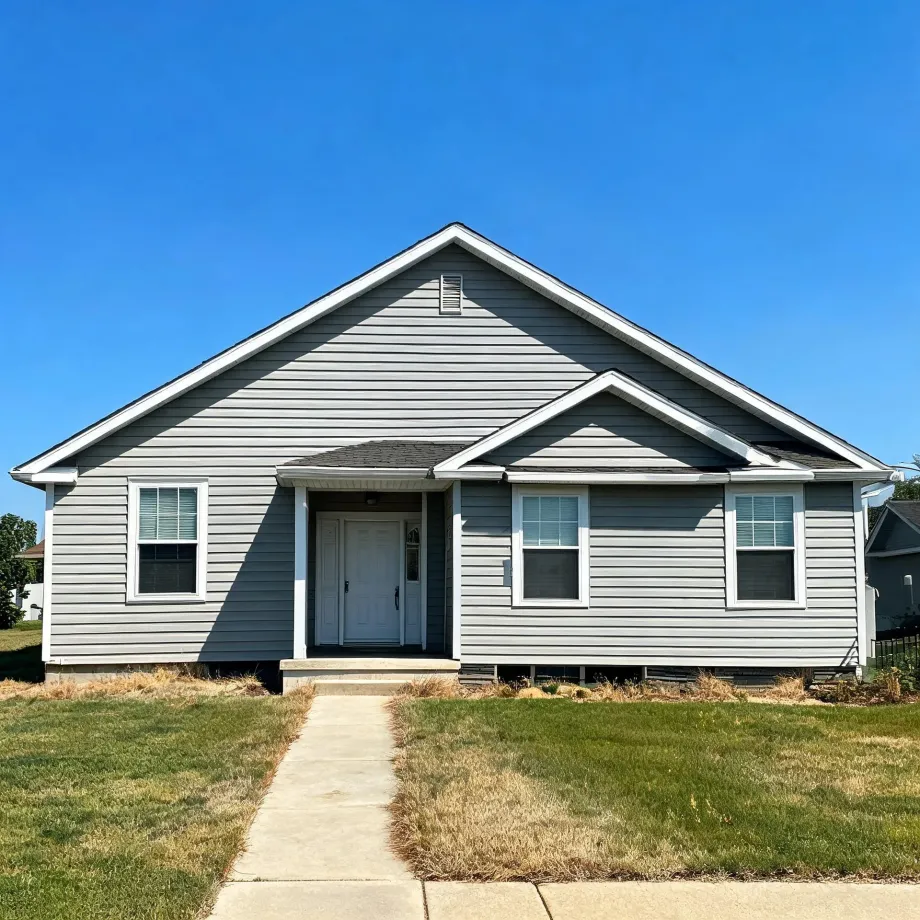
A mini-split compressor starting up on the first hot day of July should not be struggling. Homes in Bennett County, SD run cooling about two months a year, from July through August. That short window means a compressor accumulating serious wear from cooling runtime alone is unlikely; when one fails here, a contractor looks first at refrigerant charge, coil condition, and how long the system sat idle before it was called on. Standing off through fall, winter, and spring, a mini-split can develop low refrigerant pressure or a corroded contactor that goes unnoticed until the first call of summer.
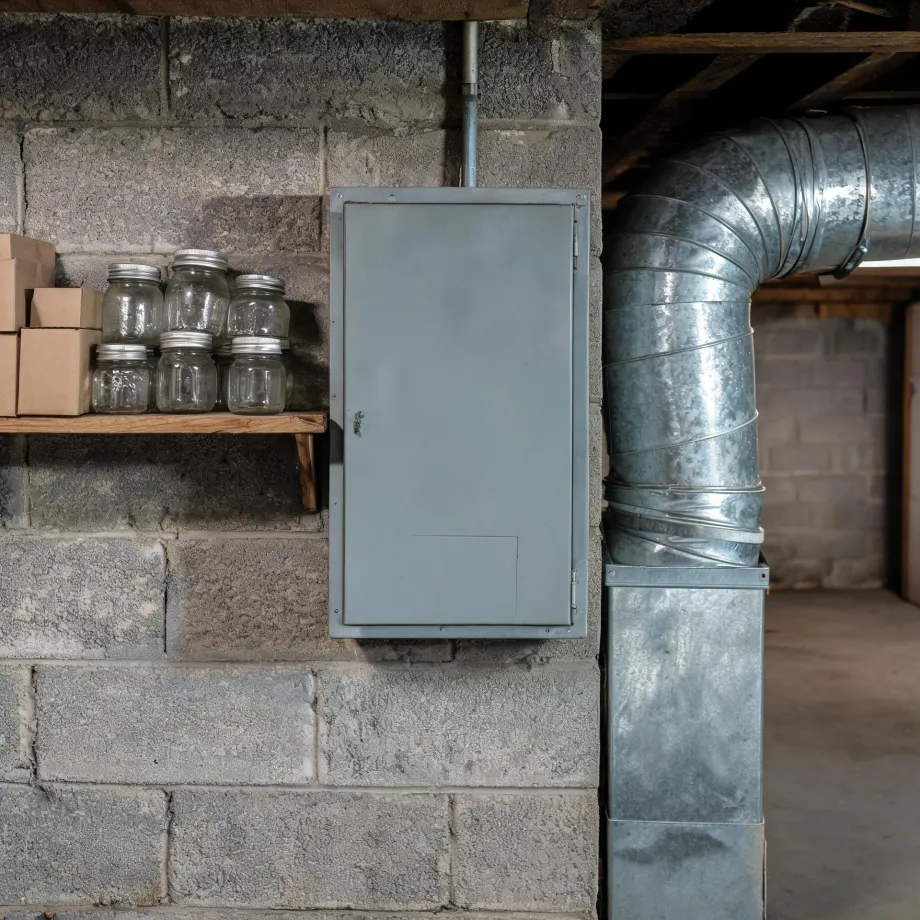
Half the homes in Bennett County, South Dakota were built in 1973 or earlier (2020-2024 ACS 5-year). A mini-split that has been running in a house this old has often been adapted to whatever the structure offered, and the repair record on those units tends to show it. When a contractor opens a unit here, the question that decides how long the job takes is whether the components that need replacing are still in supply. Refrigerant-circuit parts for systems fitted to older housing can sit outside the current production run, and a contractor who spots that early changes what they order before the job sits waiting.
The Parts of a Mini-split a Contractor Checks During Repair
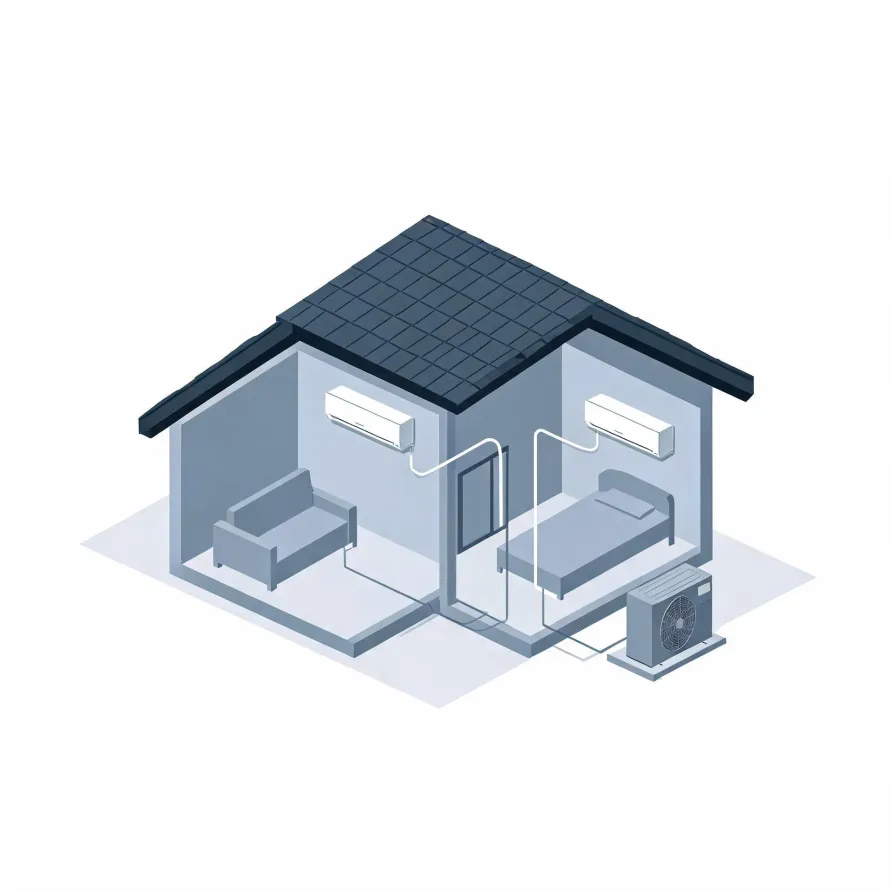
The indoor air handler mounts high on an interior wall and is the piece most homeowners notice first. It holds the evaporator coil, a blower fan, and the filter. When a room stops cooling or heating, or airflow drops off, this is where a contractor starts looking.
The outdoor condenser unit sits on a pad or bracket outside the house and carries the compressor and condenser coil. A refrigerant line set and a control wire run through the wall to connect the two units, and a condensate drain line carries moisture away from the indoor head.
The drawing shows a typical layout, and a licensed contractor determines what applies to your specific system and home.
Find a contractor in Bennett CountyBennett County, SD, by the numbers
161 severe weather events were recorded in Bennett County, South Dakota between 2015 and 2024.
NOAA National Centers for Environmental Information, Storm Events Database, bulk CSV export, events 2015-01-01 through 2024-12-31.Half the homes in Bennett County, South Dakota were built in 1973 or earlier (2020-2024 ACS 5-year).
U.S. Census Bureau, 2020-2024 American Community Survey 5-Year EstimatesBennett County, South Dakota holds 1,151 housing units (2020-2024 ACS 5-year).
U.S. Census Bureau, 2020-2024 American Community Survey 5-Year EstimatesOwners occupy 61.2% of the occupied homes in Bennett County, South Dakota (2020-2024 ACS 5-year).
U.S. Census Bureau, 2020-2024 American Community Survey 5-Year EstimatesSevere Weather Events in Bennett County
Extreme weather puts real stress on mini-split systems, and that stress accumulates over time into repair needs. How hard the equipment works here is a local question, and the record below reflects the conditions it works against.
161 severe weather events, 2015–2024. Source: NOAA National Centers for Environmental Information, Storm Events Database.