Tell us about the job
Takes about a minute. No obligation.
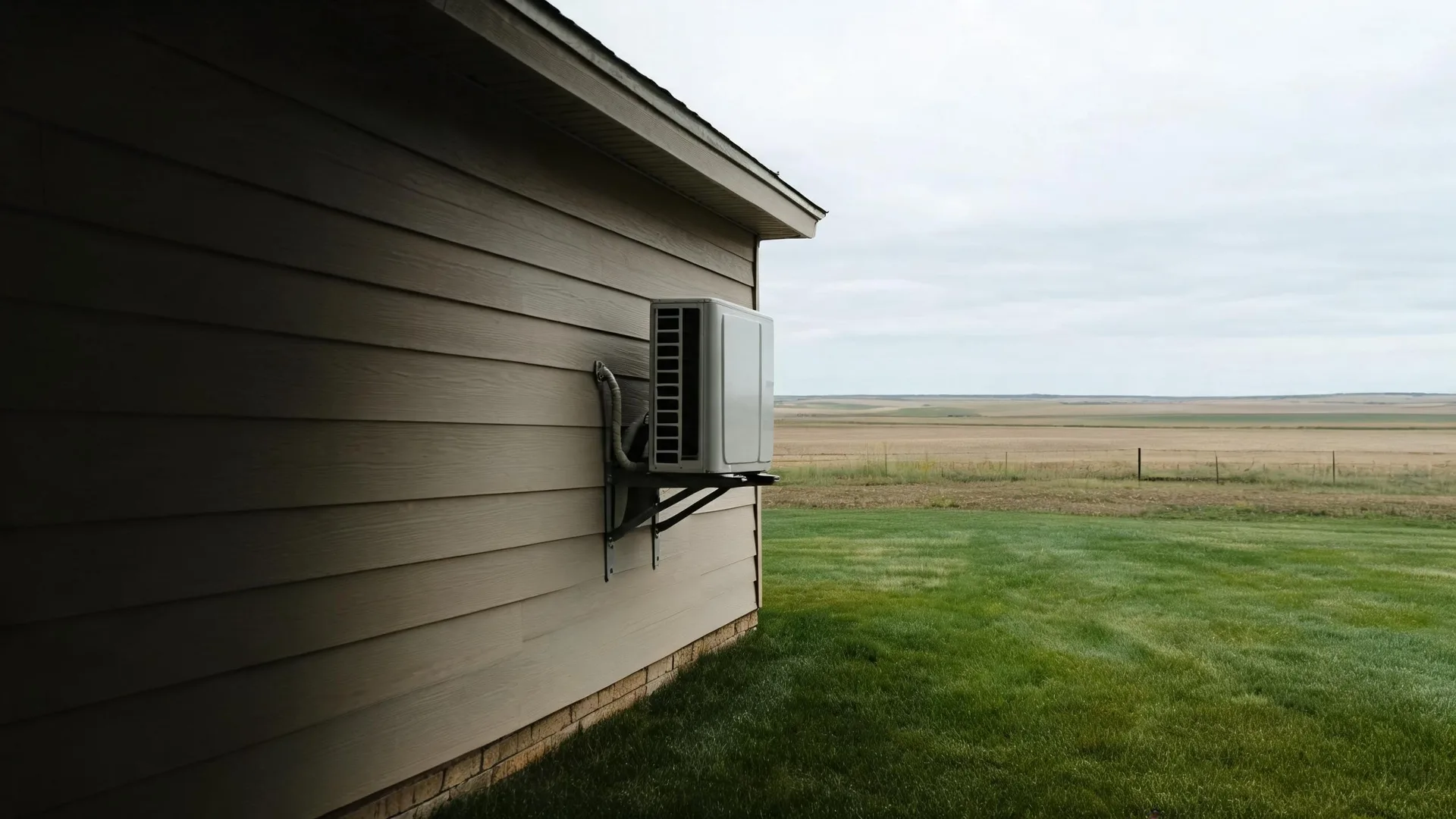
A mini-split compressor that has sat dormant since August can develop seal degradation, refrigerant migration, and contactor wear that nothing reveals until the first call for cooling in June. Homes in Tripp County, SD run cooling about three months a year, from June through August. A contractor diagnosing a repair here checks startup behavior and refrigerant charge before assuming the compressor itself has failed, because idle-season conditions produce symptoms that look like mechanical wear but trace back to how the unit was left at shutdown. The first hot stretch of the year is when every latent fault surfaces at once.
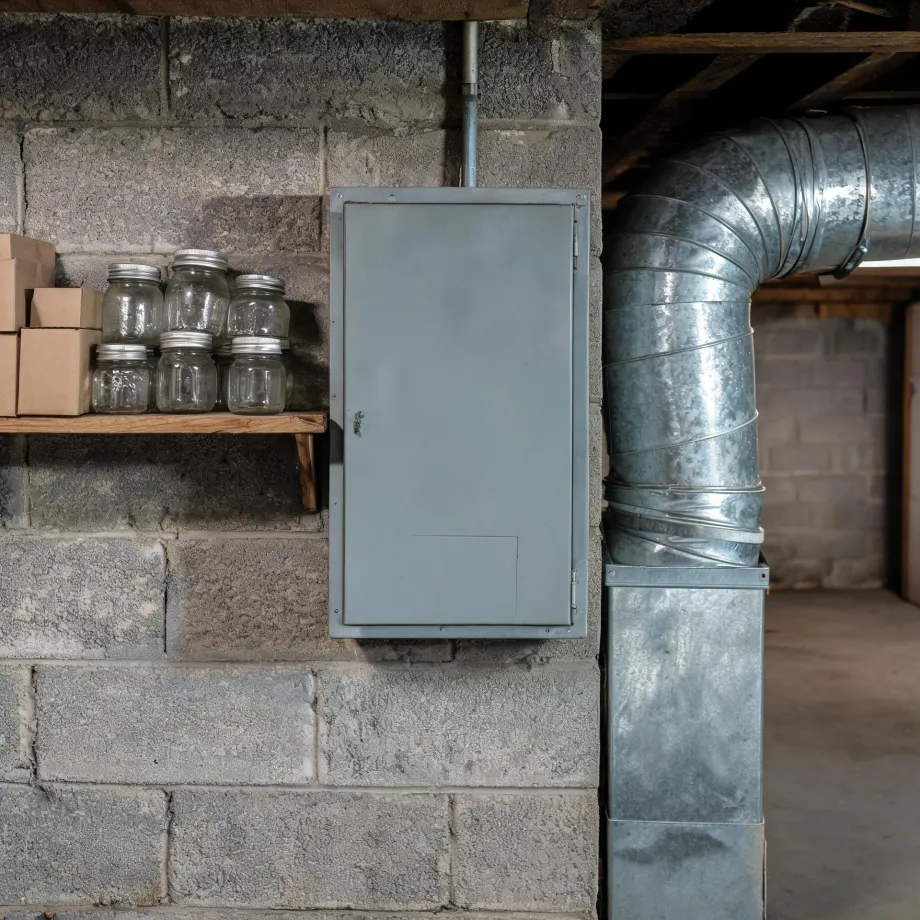
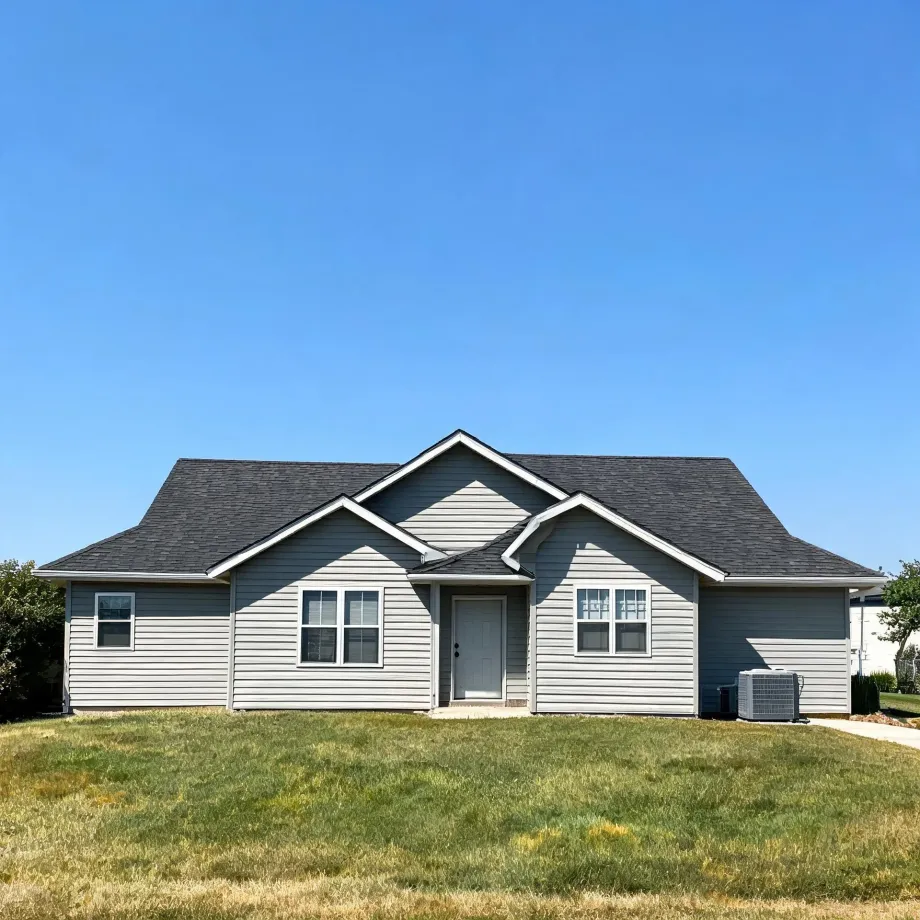
Walls in houses this old were never designed to accommodate the line sets and electrical runs a mini-split depends on, so a repair that seems straightforward on the outdoor unit can turn into work inside the wall cavity too. Half the homes in Tripp County, South Dakota were built in 1969 or earlier (2020-2024 ACS 5-year). A contractor who opens a mini-split for repair here still has to account for what the refrigerant lines pass through on the way in, whether the penetrations are sealed, and whether the circuit feeding the unit has been properly handled since install. Those conditions can change what parts are ordered and what else gets addressed before the system is closed back up.
The Parts of a Mini-split a Contractor Checks During Repair
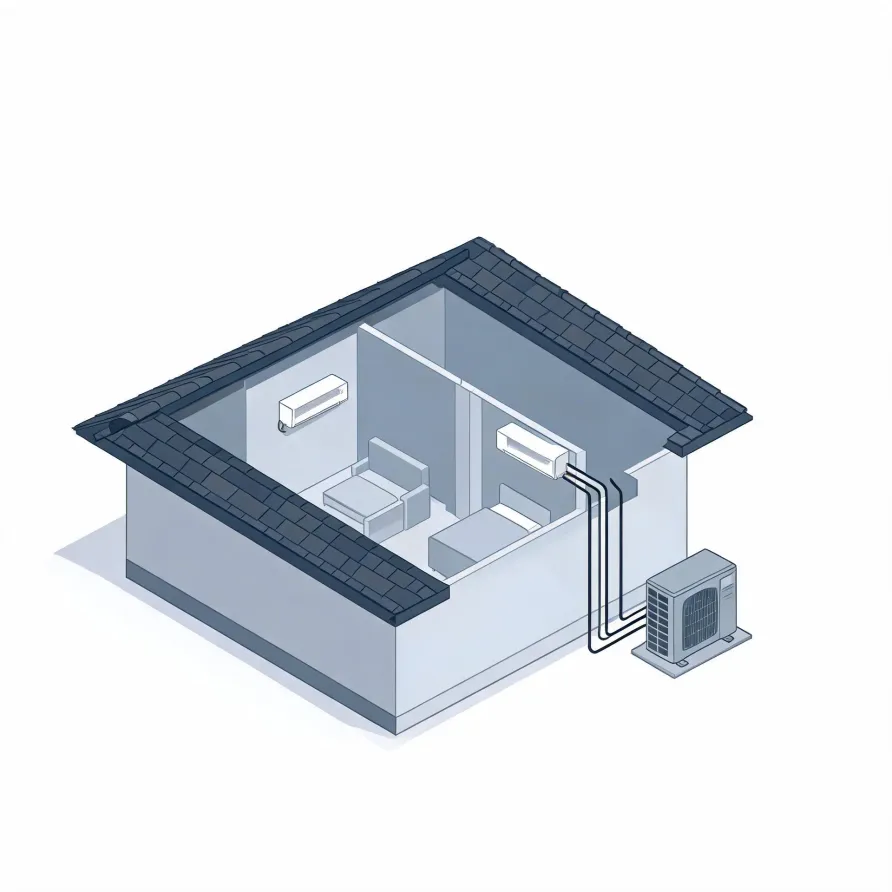
The indoor air handler mounts high on a wall inside the room and is where most noticeable problems show up first: weak airflow, odd smells, ice, or error codes on the display. The outdoor condenser unit sits outside the house and is where the compressor lives, which is the component contractors go to when a system runs but fails to move heat.
A refrigerant line set runs between the two units through a small penetration in the wall, and a fault anywhere along it can affect both sides of the system. A condensate drain line carries moisture away from the indoor unit, and a blocked or cracked drain is one of the first things a contractor checks when water is showing up where it should not.
The drawing shows the general layout of a mini-split system, and a licensed contractor determines what applies to the specific setup in your house.
Find a contractor in Tripp CountyTripp County by the Numbers
232 severe weather events were recorded in Tripp County, South Dakota between 2015 and 2024.
NOAA National Centers for Environmental Information, Storm Events Database, bulk CSV export, events 2015-01-01 through 2024-12-31.Half the homes in Tripp County, South Dakota were built in 1969 or earlier (2020-2024 ACS 5-year).
U.S. Census Bureau, 2020-2024 American Community Survey 5-Year EstimatesTripp County, South Dakota holds 2,762 housing units (2020-2024 ACS 5-year).
U.S. Census Bureau, 2020-2024 American Community Survey 5-Year EstimatesOwners occupy 68.4% of the occupied homes in Tripp County, South Dakota (2020-2024 ACS 5-year).
U.S. Census Bureau, 2020-2024 American Community Survey 5-Year EstimatesRepair Rules for Mini-Split Work in Tripp County, South Dakota1 sourced standards and codes
Licensing and Legal Requirements in Tripp County, South Dakota
South Dakota leaves HVAC licensing to the municipality: the state’s trade-regulation chapter lets a municipality license, tax and regulate heating, ventilation and air conditioning contractors by name, so who licenses a contractor depends on the town the work is in.
Severe Weather Events in Tripp County
Extreme weather puts real load on mini-split systems, driving the kind of stress that shortens equipment life and surfaces repair needs. How hard that pressure runs in Tripp County shapes what local contractors see on the job.
232 severe weather events, 2015–2024. Source: NOAA National Centers for Environmental Information, Storm Events Database.